



The Edisto Island Museum is the place to start if you want to understand the island beyond the beach. Run by the Edisto Island Historic Preservation Society, it sits on Chisolm Plantation Road just off SC Hwy 174, and its exhibits cover the island’s first peoples, its plantation and Sea Island cotton era, and the Gullah Geechee community whose history runs through all of it.
It’s small enough to see in an afternoon and specific enough that you’ll look at the rest of the island differently afterward. Below you’ll find current hours and admission, what’s on display, the status of the nearby Hutchinson House, and a short timeline of Edisto history.
Edisto Island Museum at a Glance
- Location: 8123 Chisolm Plantation Road, Edisto Island, SC 29438
- Hours: Tuesday–Saturday, 11 am–5 pm (as of 2026); closed Sunday and Monday
- Admission: $8 adults; $5 seniors, military and ages 11–17; free for 10 and under and for society members
- Phone: 843-869-1954
- Website: edistomuseum.org
- Good for: History lovers, families with older kids, rainy days, anyone curious about Gullah culture
- Time needed: About 1–2 hours, plus time in the gift shop
- Tips: Check the website before you go; the museum occasionally closes early for events
Hours, Admission and Directions
As of October 2026, the museum is open Tuesday through Saturday from 11 am to 5 pm. Hours occasionally change around special events, so check the museum’s hours page or call 843-869-1954 before you make the drive. You may see older hours and prices quoted on other websites; the figures below come from the museum itself.
| Visitor | Admission (2026) |
|---|---|
| Adults (18–64) | $8 |
| Seniors (65+) | $5 |
| Military, active or retired, with ID | $5 |
| Ages 11–17 | $5 |
| Ages 10 and under | Free |
| Edisto Island Historic Preservation Society members | Free |
The museum is about 7.7 miles from Edisto Beach on SC Hwy 174. Heading up the highway from the beach, turn left onto Chisolm Plantation Road at the Middleton Plantation entrance and follow it to the museum. The plantation land along the way is private, so stay on the road.
What You’ll See at the Museum
From Africa to Edisto Island: The Gullah Story
The museum’s permanent Gullah Geechee exhibit, which opened in 2023, follows the Gullah story from Africa to Edisto Island: how enslaved Africans were brought here and how their descendants built a culture that still shapes the island. If you’ve read our introduction to Gullah culture, this is where you see it in objects and voices.
The Point of Pines Slave Cabin
The Edisto Island Historic Preservation Society worked to save the island’s last two slave cabins. One, from Point of Pines Plantation, was stabilized and donated to the Smithsonian’s National Museum of African American History and Culture in Washington, D.C. The second was dismantled, and a portion of it is now on display at the museum. Standing next to it is one of the more sobering moments you’ll have on Edisto.
The Edisto People and Oral Histories
Another exhibit covers the Edisto, the Native people for whom the island is named. The museum also presents oral histories, so you hear parts of the island’s story in the words of the people who lived it.
Gift Shop
The shop carries local art and books on Edisto and Lowcountry history, a good place to pick up reading for the rest of your trip.
About the Edisto Island Historic Preservation Society
The society was founded in 1986 to preserve Edisto’s history and culture, and it opened the museum on Sept. 28, 1991. Beyond the museum, it maintains a cemetery fund and has advocated for protecting historic structures on the island, including those at Botany Bay.
Its best-known event is the annual Edisto & Beyond Tour, a driving tour that opens island sites rarely accessible to the public. The 2026 tour, held Oct. 24, sold out, so if you’re interested in a future year, watch the museum’s website and buy early.
Hutchinson House: Not Yet Open for Tours
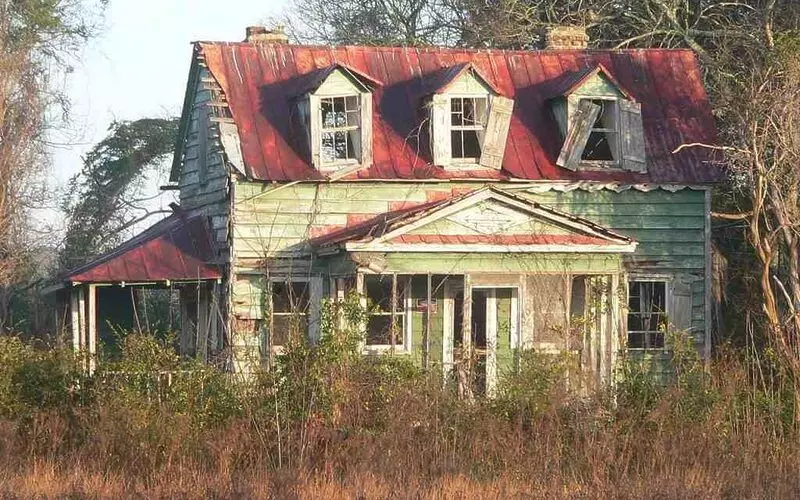
The Hutchinson House, at 7666 Point of Pines Road, is a landmark of African American history on Edisto. By family tradition, Henry Hutchinson built it around 1885, at the time of his marriage to Rosa Swinton, with help from his half-brother Jack Miller and his uncle John Pearson Hutchinson. Henry was born enslaved on Edisto around 1860 and went on to become a cotton planter who ran his own cotton gin. The two-story house, with Folk Victorian trim and a wraparound porch, was listed on the National Register of Historic Places in 1987.
The house is owned by the Edisto Island Open Land Trust, not the museum. The land trust bought it in 2016 and has restored it with support that included grants from the Mellon Foundation and the National Park Service. A 2025 news report said it was expected to open as a museum by summer 2026, but as of October 2026 no opening has been announced, and it is not open for tours.
What you can do now: the site is part of a public-access preserve, and the land trust invites visitors to view the house and read the interpretive signs from the parking area. For opening news, check the Open Land Trust’s Hutchinson House page or call the land trust at 843-869-9004.
A Short Edisto Island History Timeline
The museum tells these stories in depth. Here’s a quick framework to bring with you.
- c. 2200–1800 BC: People pile up oyster and clam shells at what’s now Spanish Mount, a shell midden in Edisto Beach State Park.
- 1500s: Spanish explorers and missionaries reach the area they call “Oristo.” By the late 1500s, the Edisto people have moved to the island from St. Helena Island.
- 1663 and 1666: English explorers William Hilton and Robert Sandford meet the Edisto; Sandford is hosted by a chief who was a woman.
- About 1675: The Edisto deed the island to the Lords Proprietors of Carolina.
- 1686: A Spanish raid strikes the English settlement on Edisto.
- About 1710: The Presbyterian congregation is organized; see our guide to Edisto’s historic churches.
- Mid-1700s: Indigo becomes a major crop; salty water limits rice.
- Late 1700s–early 1920s: Edisto is a center of Sea Island cotton, grown by enslaved and later free Black laborers.
- 1850: The U.S. Coast Survey measures the Bache baseline across the island.
- 1861–1862: Planters flee after Union forces take Port Royal. Union troops occupy Edisto and protect a large community of freed people, then withdraw in mid-1862.
- January 1865: Sherman’s Special Field Order No. 15 sets aside Sea Island land for freed families.
- October 1865: Freedmen of Edisto petition President Andrew Johnson not to return the land to former owners. Most of the land is returned to its prewar owners anyway.
- About 1885: Henry Hutchinson builds his house on Point of Pines Road.
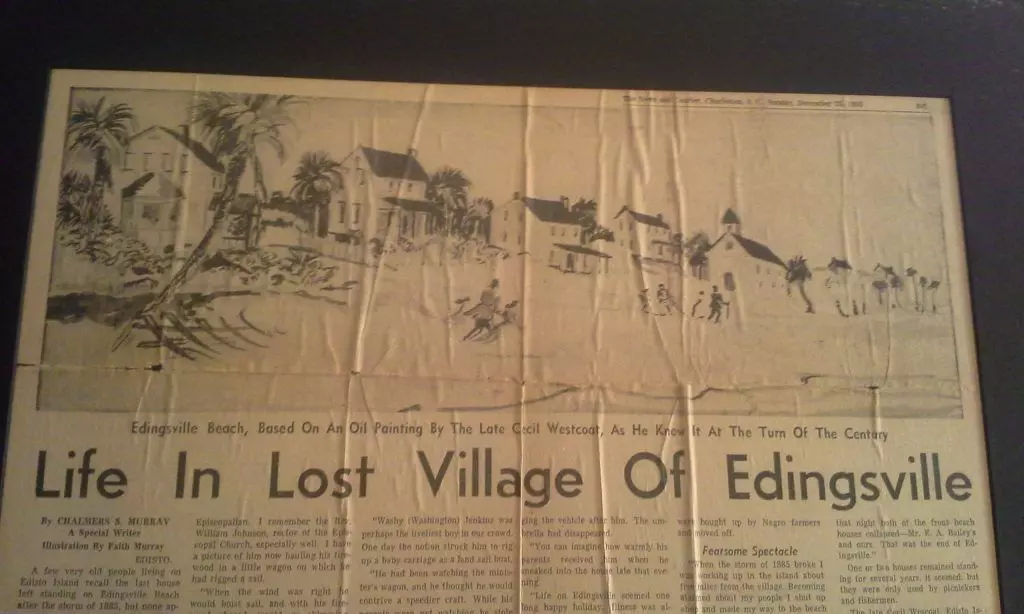
- 1893: A hurricane sweeps away the last of Edingsville, the planters’ summer village.
- 1920s: The first bridge links Edisto to the mainland, and the boll weevil ends Sea Island cotton; farmers turn to vegetables and cattle.
- 1930s: The Civilian Conservation Corps builds Edisto Beach State Park.
- Dec. 18, 1970: The Town of Edisto Beach is incorporated.
- 1994: The Edisto Island Open Land Trust is organized.
- 2008: Botany Bay opens to the public.
- 2009: SC Hwy 174 becomes the Edisto Island National Scenic Byway.
- 2025: Edisto’s first official state historical marker is unveiled at the 1818 Edisto Island Baptist Church.
Geographically, Edisto Island covers about 68 square miles between the North and South Edisto rivers and is part of Charleston County. The town of Edisto Beach is a separate municipality in Colleton County. The whole island lies within the Gullah Geechee Cultural Heritage Corridor, a National Heritage Area designated by Congress in 2006 that runs from North Carolina to Florida. Find more stories in our Edisto history articles.
Tips for Visiting
- Visit early in your trip. The context makes Botany Bay, the churches and the drive along Hwy 174 more meaningful.
- It’s a good plan for a hot afternoon or a rainy day on Edisto.
- Older kids and teens tend to get the most out of it; younger children may move through faster.
- Remember the museum is closed Sunday and Monday.
- Pair it with a drive out Point of Pines Road to see the Hutchinson House from the parking area.
Edisto Island Museum FAQ
What are the Edisto Island Museum’s hours?
As of 2026, Tuesday through Saturday, 11 am to 5 pm. It’s closed Sunday and Monday, and hours can change for events, so check the museum’s website before you go.
How much does the Edisto Island Museum cost?
Adults are $8; seniors, military and ages 11–17 are $5; children 10 and under and society members get in free (2026 prices).
Is the Hutchinson House open to visitors?
Not for tours yet. As of October 2026 you can view the outside of the house and read the signs from the parking area. Check with the Edisto Island Open Land Trust for opening news.
How long should I plan for the museum?
Most visitors spend one to two hours, depending on how much time they spend with the Gullah exhibit and oral histories.
Where else can I learn about Gullah history on Edisto?
Start with our pages on Gullah culture and Gullah food, then visit the island’s historic churches and Botany Bay, where SCDNR’s driving tour points out structures built by enslaved people.
Plan Your Trip
Build a history day around the museum with our guide to Edisto Island attractions and historic sites and a visit to Botany Bay, then see more ideas in our list of things to do on Edisto Island.