


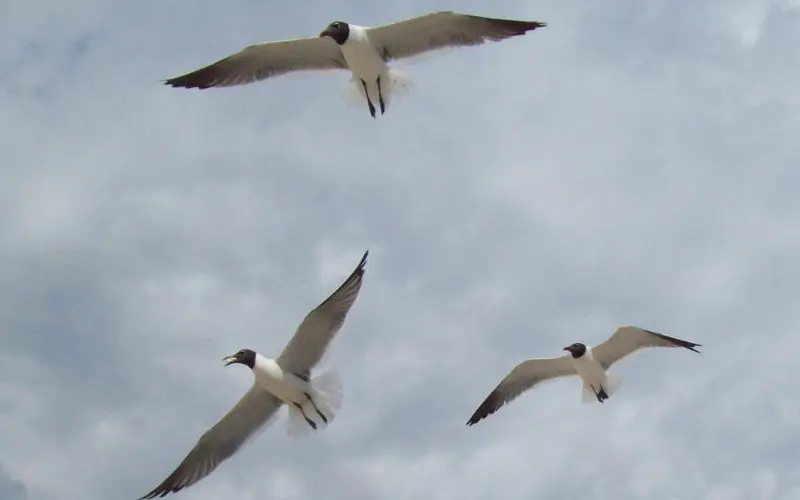

Edisto Island birding is about variety packed into a small area. In one morning you can watch painted buntings along a plantation avenue, shorebirds working the tide line, ospreys over the creeks and clapper rails calling from the salt marsh. The island sits at the edge of the ACE Basin, one of the largest undeveloped estuaries on the East Coast, and its mix of beach, marsh and maritime forest draws birds year-round.
This guide covers where to go, what to look for in each season, how to share the beach with nesting birds and what to pack.
At a Glance
- Top spots: Botany Bay Plantation Heritage Preserve, Edisto Beach State Park, the inlet at the south end of Edisto Beach, and the marsh along the island’s creeks.
- Best seasons: Spring and fall migration; summer for painted buntings and nesting shorebirds; winter for shorebirds on the beaches.
- Cost: Botany Bay is free with a day-use pass. State park admission is $8 adults, $5 SC seniors, $4 ages 6–15, free for 5 and under (2026).
- Good for: Beginners and serious birders alike; photographers.
- Time needed: 1–3 hours per site; early morning is best.
- Tips: Check the tide, bring insect repellent, and give nesting birds plenty of room.
Edisto Island Birding Hotspots
Botany Bay Plantation Heritage Preserve
Botany Bay, on the island’s northeast end, is a top birding destination: SCDNR’s driving-tour guide notes more than 100 species recorded on the property. In spring and summer, look for painted buntings along the main avenue, plus summer tanagers, warblers and woodpeckers in the woods. Herons and egrets feed in the marsh, and hawks and falcons hunt over the open fields. Least terns, a state-threatened species, nest on the beach.
Botany Bay is free, but you need a day-use pass from the kiosk at the main gate. It opens 1 hour before sunrise and closes 1 hour after sunset, and it’s closed every Tuesday and on scheduled hunt days, mostly from September through January. Drones are prohibited, and there are no restrooms. Hours and rules are in our Botany Bay guide.
Edisto Beach State Park
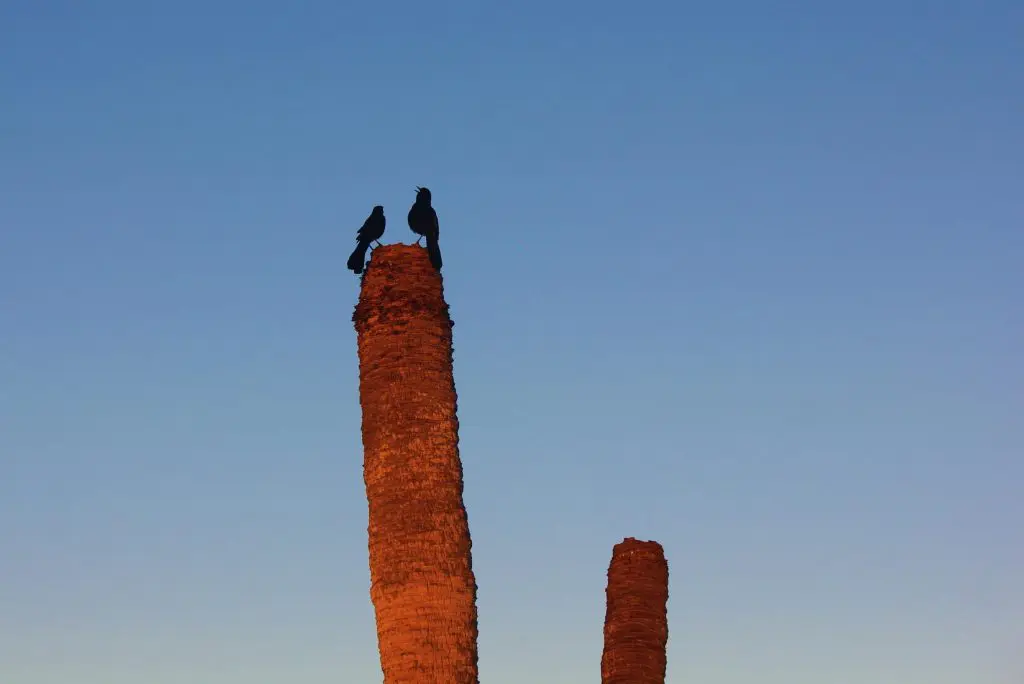
The state park packs beach, marsh and maritime forest into 1,255 acres. Brown pelicans and ospreys are regulars, clapper rails call from the marsh, and plovers, red knots, sanderlings and ruddy turnstones work the beach. Whimbrel pass through the marsh in large numbers in May, and in fall, migrating warblers move through the maritime forest.
The Scott Creek Trail’s boardwalk sections and the Spanish Mount Trail give you marsh views without wet feet; see our Edisto Island hiking trails guide. The park is open 7 a.m.–6 p.m., until 8 p.m. during Daylight Saving Time, and our Edisto Beach State Park guide has the details.
The Inlet
The inlet at the south end of Edisto Beach, near the mouth of the South Edisto River, is a good place to look for American oystercatchers, black skimmers and white ibis, and painted buntings in the shrubby edges. Visit near low tide, when sandbars and mudflats are exposed for feeding birds.
The Town Beach
Edisto Beach’s 37 public accesses along Palmetto Boulevard make it easy to scan the surf for pelicans, gulls, terns and sandpipers. The wooden groins attract roosting birds; watch from the sand, because climbing on groins is dangerous. Access and parking details are on our Edisto Beach public access page.
Marsh, Creeks and Preserves
The Edisto Island Open Land Trust’s Legacy Live Oak Memorial Park, 12.4 acres on Sand Creek just off Highway 174, has a trail with marsh views and good birding. For a closer look at the marsh, join a guided paddle or boat trip; our kayaking guide and eco tours guide list local operators.
What to See by Season
- Spring (March–May): Painted buntings arrive and sing along Botany Bay’s avenue. Shorebird migration builds, peaking with large flights of whimbrel in May.
- Summer (June–August): Painted buntings and summer tanagers in the woods; least terns, American oystercatchers and Wilson’s plovers nesting on the sand; herons and egrets in the marsh.
- Fall (September–November): Warblers migrate through the maritime forest, and shorebirds return to the beaches. Botany Bay has frequent hunt-day closures, so check the calendar.
- Winter (December–February): Fewer bugs and fewer people. Sanderlings, turnstones and other shorebirds work the beach, and pelicans and ospreys are around the creeks.
Species to Look For
| Bird | Where | When |
|---|---|---|
| Painted bunting | Botany Bay avenue; inlet shrubs | Spring and summer |
| Least tern | Botany Bay beach (nests) | Summer |
| American oystercatcher | Inlet; nests on beach sand | Year-round; nests in spring and summer |
| Wilson’s plover | Nests on beach sand | Spring and summer |
| Black skimmer | Inlet | Check sandbars at low tide |
| Whimbrel | State park marsh | May migration |
| Red knot, sanderling, ruddy turnstone | Beaches | Migration; sanderlings and turnstones also in winter |
| Brown pelican, osprey | Beach, creeks and marsh | Most of the year |
| Clapper rail | Salt marsh | Year-round; heard more than seen |
| Herons, egrets, white ibis | Marsh and creek edges | Year-round |
| Summer tanager, warblers, woodpeckers | Botany Bay and state park forest | Spring through fall |
| Hawks and falcons | Over Botany Bay’s fields | Varies by species |
Sharing the Beach with Nesting Birds
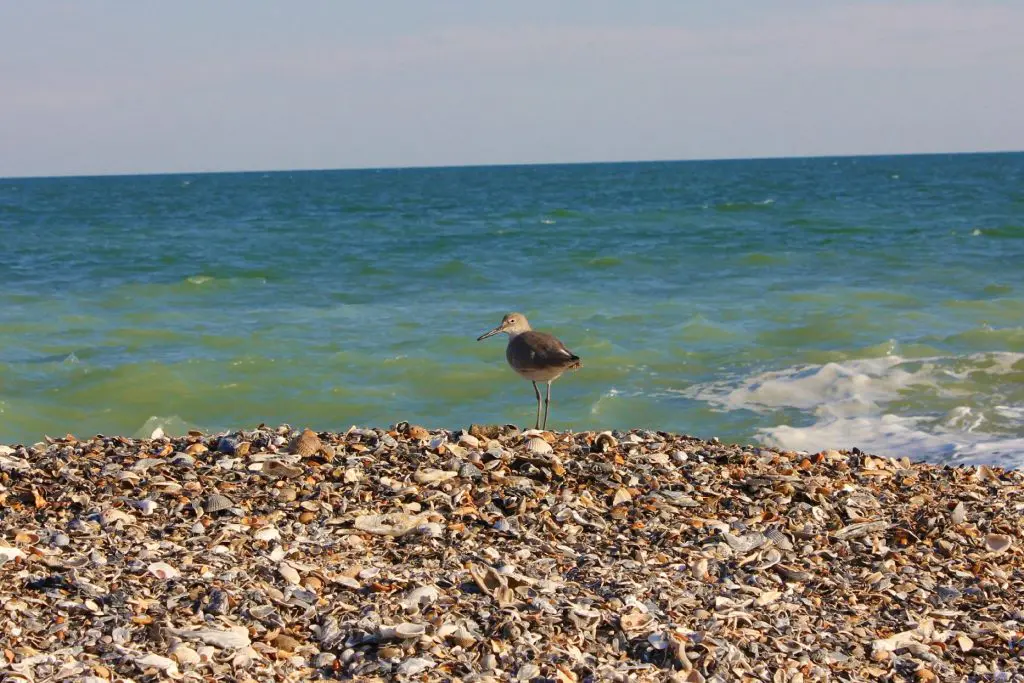
American oystercatchers and Wilson’s plovers lay their eggs in shallow scrapes right on the sand, and least terns nest on Botany Bay’s beach. Eggs and chicks are camouflaged and easy to step on, and adults that are flushed repeatedly leave eggs to bake in the sun. Willets nest in the marsh.
- Stay out of posted or roped-off areas, and walk at the water’s edge near nesting zones.
- If a bird calls loudly, dive-bombs or fakes a broken wing, you’re too close. Back away.
- Keep dogs leashed. On the town beach, leashes are required May 1–October 31, and dogs aren’t allowed on Botany Bay’s beach or causeway at any time.
- Don’t feed gulls; it draws predators that also eat eggs and chicks.
- Leave drones at home. They’re banned at Botany Bay and stress birds everywhere.
- Use playback recordings sparingly or not at all, especially in nesting season.
Sea turtles nest on the same beaches from May through October, so the same rules help both; see our sea turtle rules.
Gear and Tips
- Binoculars: 8x or 10x works for most birding here. A spotting scope helps for shorebirds on distant sandbars.
- Field guide or app: A Southeast field guide or apps such as Merlin and eBird help with identification and let you log sightings.
- Tide timing: A rising tide pushes shorebirds closer to the beach; low tide exposes feeding flats at the inlet. Check the Edisto tide charts.
- Timing: The first two hours after sunrise are the most active and the coolest.
- Bug protection: Insect repellent and long sleeves, especially near the marsh at dawn and dusk.
- Water and sun: Shade is scarce on the beach and causeways.
Guided Birding and Programs
Edisto Beach State Park offers a “Birds of the ACE Basin” program on November 25, 2026 (also offered October 30). Pre-registration is required at 843-869-4430; see the park programs page for the latest schedule. The park’s Environmental Learning Center, open Tuesday–Saturday, 9 a.m.–4 p.m., has exhibits on the ACE Basin, and the park rents a naturalist backpack for exploring on your own.
Other Wildlife You May See
Alligators live in the area’s freshwater and brackish ponds and creeks. Keep your distance and never feed them, which is illegal in South Carolina. Report feeding to SCDNR at 1-800-922-5431. Loggerhead sea turtles nest on the beaches in summer, and you may spot dolphins feeding in the creeks.
Edisto Island Birding FAQ
Where should I go birding on Edisto Island?
Start with Botany Bay, where more than 100 species have been recorded, then add Edisto Beach State Park and the inlet for shorebirds and marsh birds.
When can I see painted buntings on Edisto?
Spring and summer. Look along Botany Bay’s main avenue and the shrubby edges near the inlet.
Do I need a pass to bird at Botany Bay?
Yes. Entry is free, but every visitor needs a day-use pass from the kiosk at the main gate. Botany Bay is closed Tuesdays and on scheduled hunt days.
Can I fly a drone to photograph birds?
Not at Botany Bay, where drones are prohibited. Elsewhere, drones disturb nesting birds, so it’s best to skip them.
Nearby / Plan Your Trip
Pair a morning of birding with a look at the wider ACE Basin, scout sunrise light on our Edisto photography spots page, or browse more things to do on Edisto Island.